Reporting for revenue decisions

See where time creates margin, capacity pressure and missed revenue.

Half5 reporting turns approved hours into decisions for management and finance. Not a private activity dashboard, but a clear view of billability, projects, teams and invoice value.
Margin see which hours actually become value
Capacity spot pressure before planning breaks
Approved data reports use business output, not private timelines
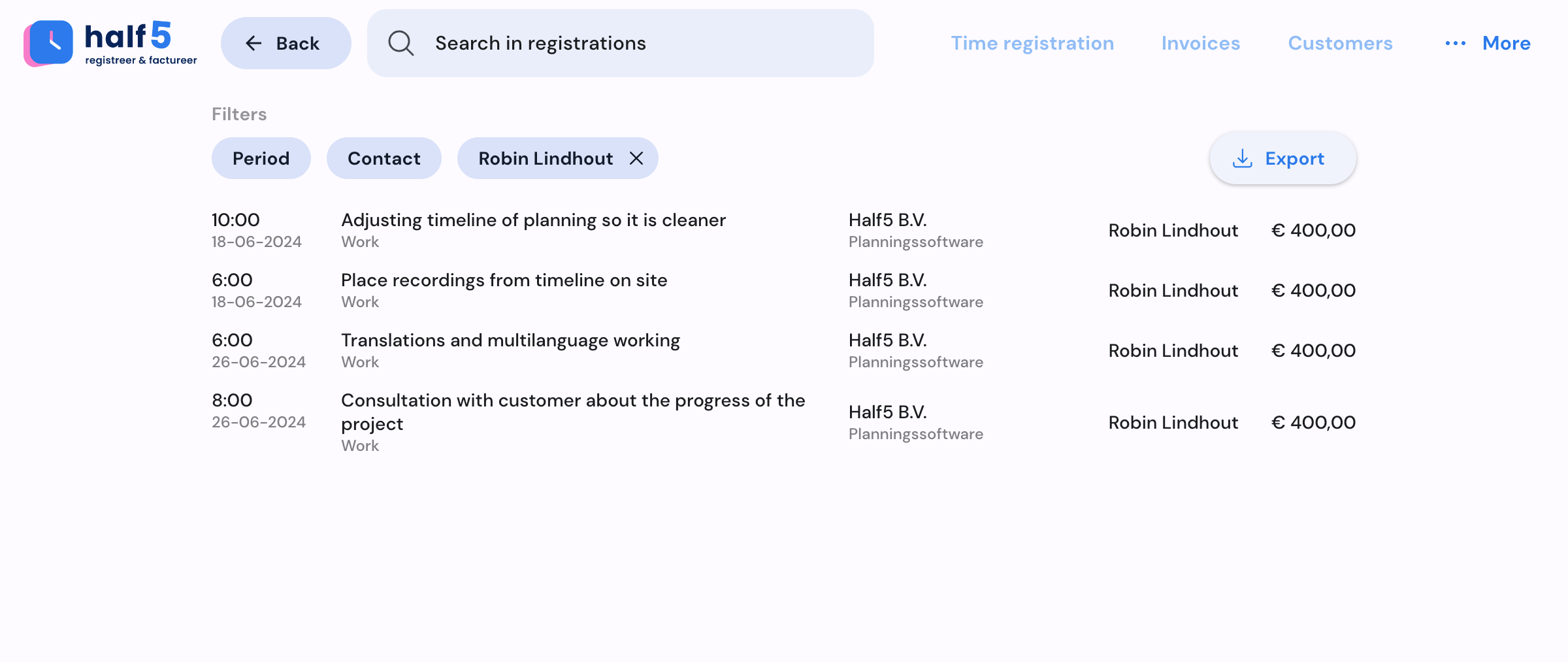
Half5 report overview with approved hours
Management signal

Leaders see revenue, capacity and pricing pressure without opening private timelines.

A strong time report is not a list of busy days. It shows which work pays back, where capacity gets tight and which pricing decisions become explainable with approved data.

Where does margin leak?

Compare billable hours, non-billable work and project value before the month is already closed.

Which teams deserve attention?

Capacity signals show where approval pressure, forgotten work or recurring corrections slow the team down.

Which prices are backed by data?

Approved hours give retainers, project estimates, hourly rates and future proposals a factual base.

Management scorecard

The report should end in a decision, not another spreadsheet.

Half5 turns approved hours into a small set of signals leaders can actually use: recovered value, billability, capacity pressure and the next system route.

Recovered revenue

approved billable value

Shows which submitted hours turned into invoice-ready work after review.

Billability

team and project mix

Separates work that earns money from internal, unclear or still-pending time.

Capacity pressure

before planning breaks

Makes overloaded teams, approval queues and recurring corrections visible earlier.

Next system route

finance, CRM or agents

Shows where approved data should move next to remove invoice friction.

From approved hours to decision

The numbers start after users and team leads stand behind the work.

The same trust boundary stays in place: users control the timeline, managers approve business hours and reporting uses the approved output.

01

Approve the hours

Reports start after the user has submitted time and the team has approved the business record.

02

Read the pattern

View billability, productivity, project pressure and client value without opening someone's raw timeline.

03

Choose the next move

Pricing, staffing, approval rules and integration priorities become easier to discuss with finance.

Inside the product

Finance gets invoice-ready numbers. Managers get the pressure points.

Reports connect time, projects, people and value without turning the personal timeline into a management screen.

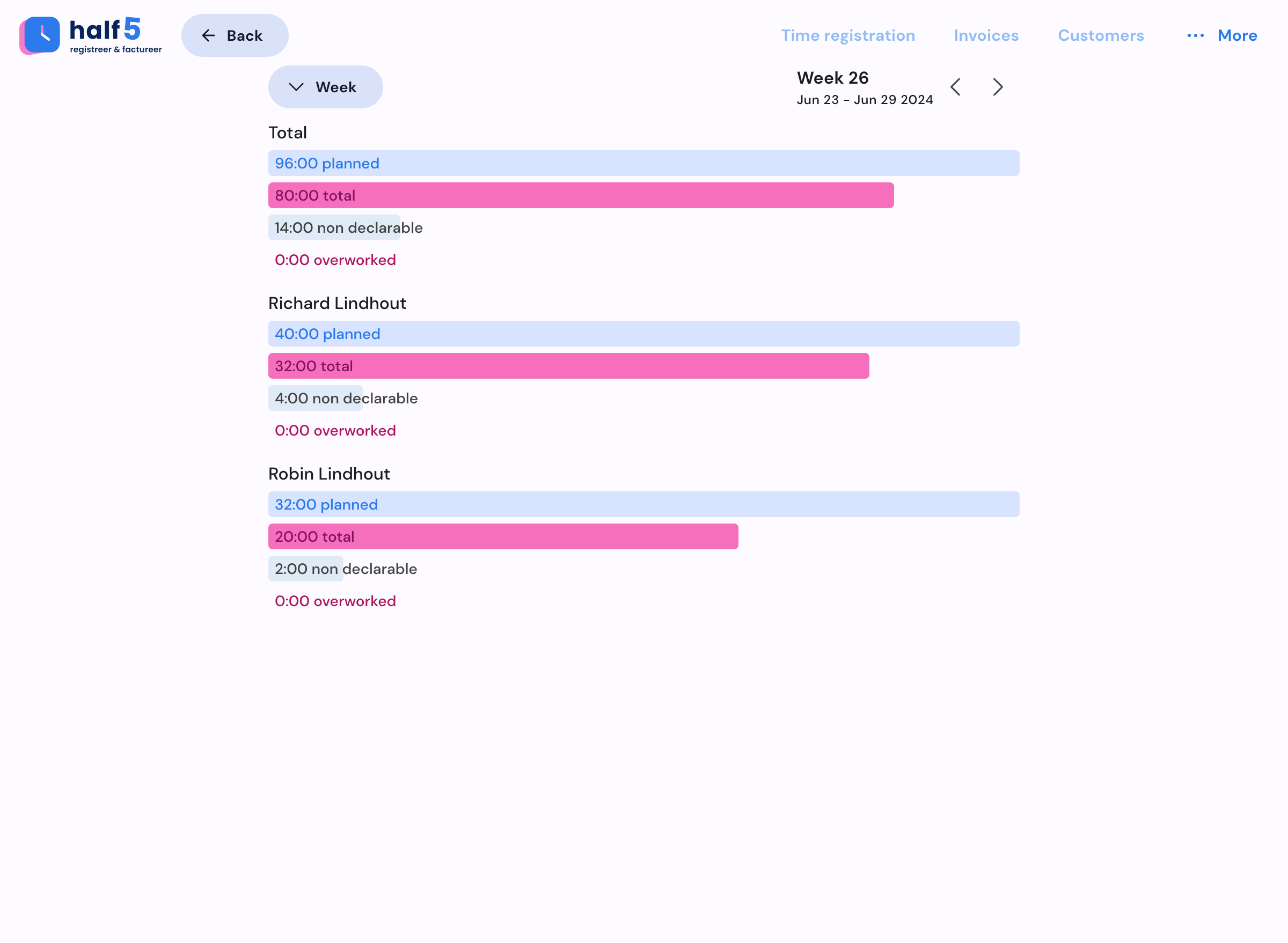
Team productivity Capacity and billability
Half5 productivity overview for teams
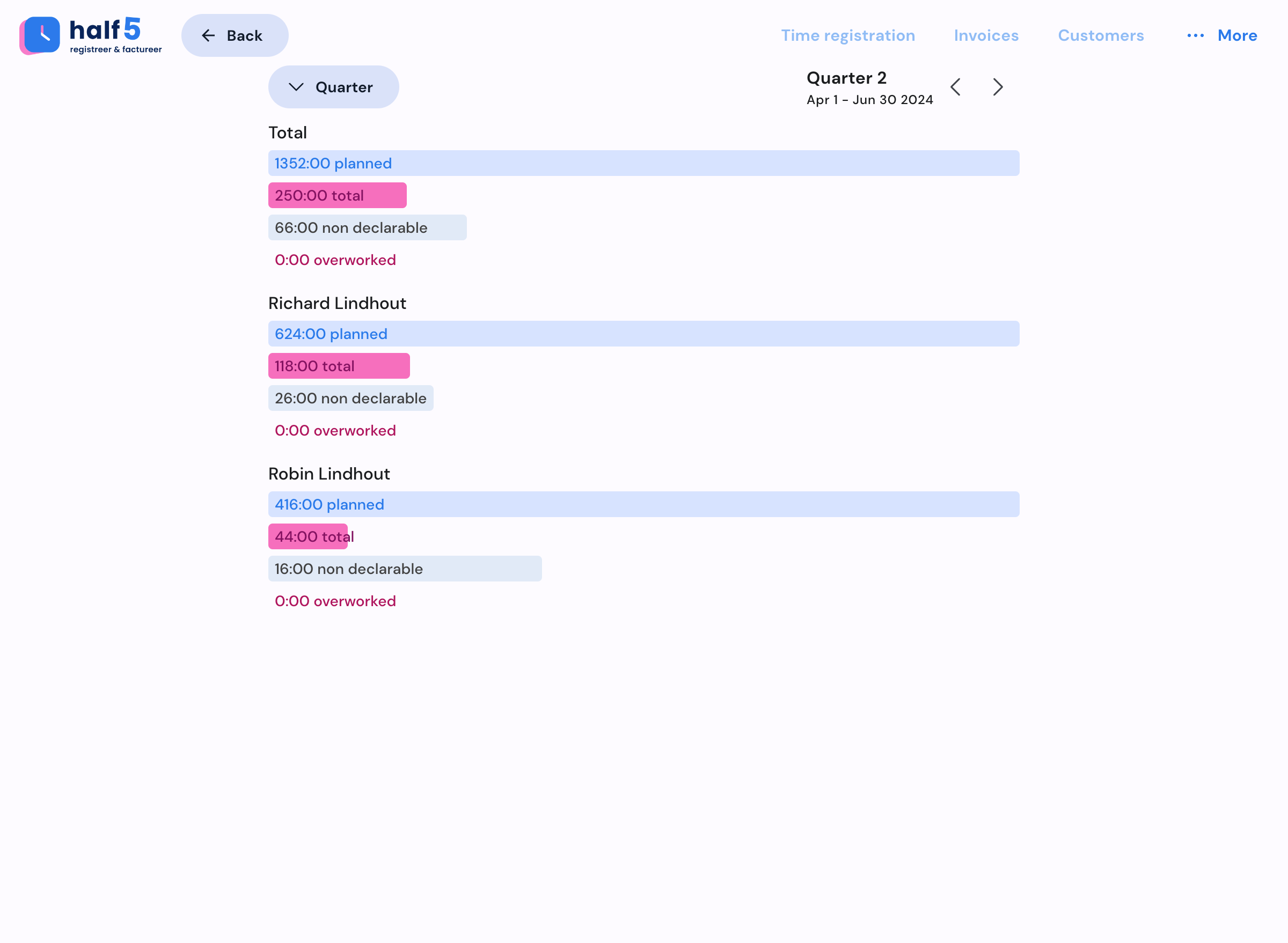
Quarter view Trends before the invoice run
Half5 quarterly productivity report
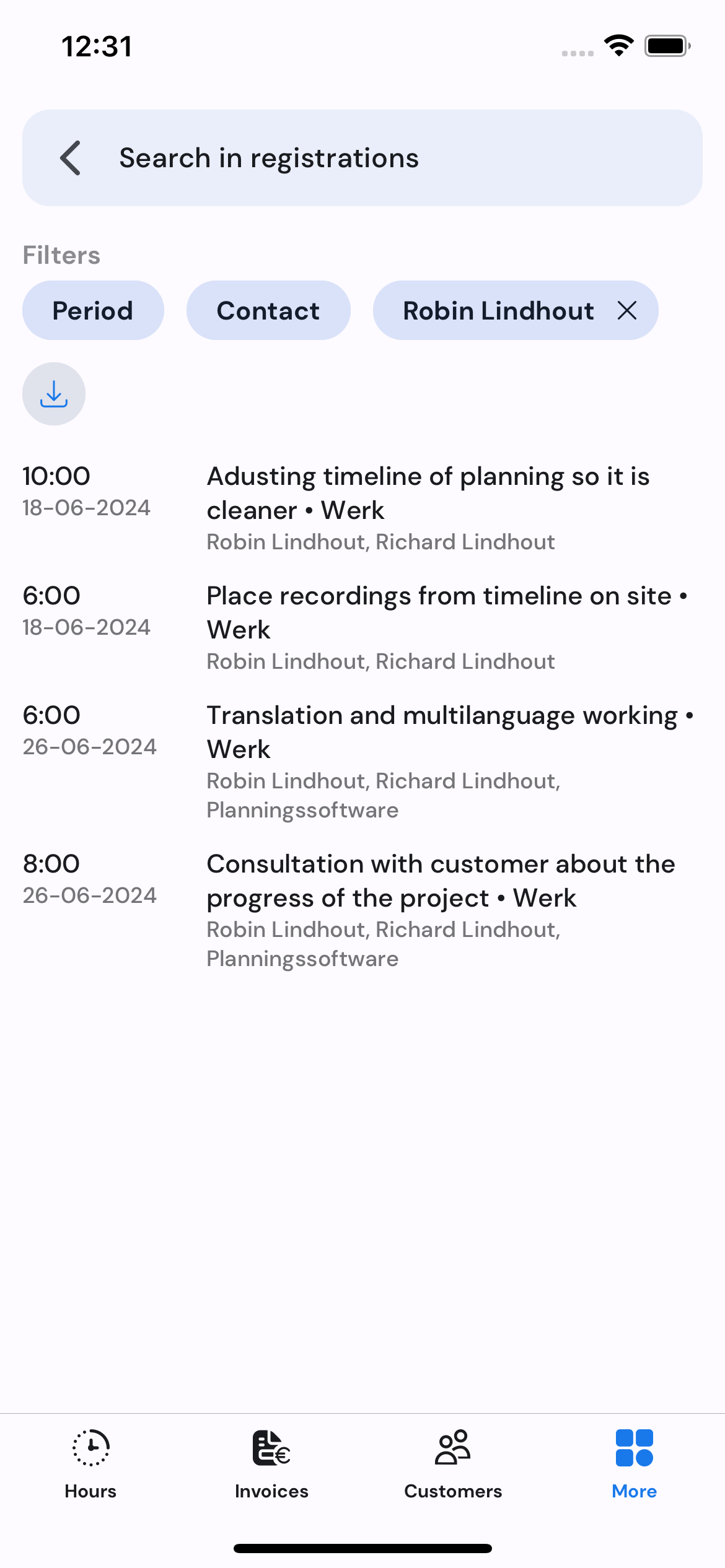
Mobile check Reports travel with the team
Half5 mobile reporting view
Reporting with trust

Enterprise reporting stays useful without becoming invasive.

No private timeline reporting

Managers and finance work with submitted and approved hours, not raw personal activity history.

Finance can trust the numbers

Reports stay connected to clients, projects, rates, approvals and invoice output.

Agents can use the same truth

Internal agents can use approved hours, exceptions and invoice context without private timeline access.

Revenue pattern

Reports reveal where time creates margin, not just where people were busy.

Productivity, billability and project reporting help improve pricing, capacity and team planning.

Billable value returns

Even a few missed minutes per person per day become serious revenue across a team.

Approval before invoicing

Managers review exceptions before finance receives clean data, so recovered hours stay explainable.

Trust stays intact

The raw timeline stays personal. Teams work with submitted hours, approvals and invoice-ready output.

Start with clarity

Choose the place where missed work already costs revenue.

Half5 shows which revenue can return, what stays personal, which hours finance may use and which systems receive approved data.

Billable time, capacity and exceptions become analyzable.

Future proposals can use real time data.

Reporting is based on approved hours.